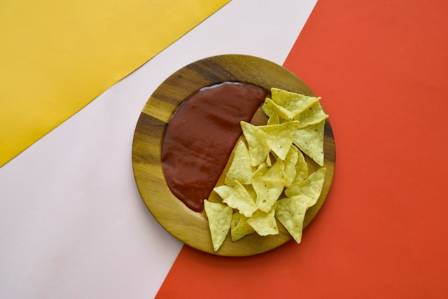
Kitchen note
From Mexican Roots to American Pantry Staple: The Evolution of the Tortilla Chip
For many spectators, the true highlight of a sporting event isn't the score, but the spread on the snack table. Over the last few decades, a significant shift has occurred in American snacking habits: potato chips are increasingly losing their territory to tortilla chips and bowls of guacamole.
Shirley Ann Bennett
Cook
Bench note
The full story and useful tips are below.
Shelf
Plant kitchen
For many spectators, the true highlight of a sporting event isn't the score, but the spread on the snack table. Over the last few decades, a significant shift has occurred in American snacking habits: potato chips are increasingly losing their territory to tortilla chips and bowls of guacamole.
While potato chips remain a leader in total volume sold, tortilla chips are experiencing a much faster growth rate in sales. This trend extends beyond just the chips themselves. Since 2010, soft tortillas have frequently outperformed hamburger and hot dog buns in grocery sales, and salsa has rivaled ketchup as the nation’s preferred condiment for over fifteen years.
Several factors drive this culinary shift. The growth of the Hispanic population in the United States has introduced a wider variety of foods to the mainstream market. Additionally, non-Hispanic consumers have become more adventurous eaters, prompting major food corporations to diversify their offerings to satisfy an increasing appetite for Mexican-inspired flavors.
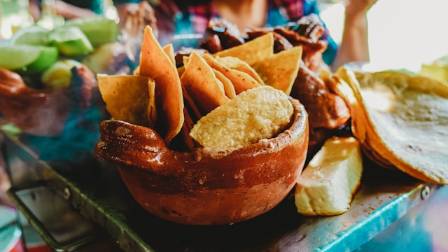
The Accidental Origin of Modern Snacks
The journey of the corn chip from a local specialty to a national icon is a story of ingenuity and happy accidents. In the early 20th century, tortilla chips were largely a byproduct of the tortilla-making process in Southern California. Known as "tostadas," these crispy bits were often made from surplus dough and served in local restaurants, though they were not yet a standalone retail phenomenon.
The commercial breakthrough came when executives at Frito-Lay noticed the popularity of these chips in California eateries. This led to the 1960s launch of Doritos—a name derived from the Spanish for "little golden things." While modern consumers associate the brand with heavy seasoning, it was actually the first tortilla chip to be distributed on a national scale in the U.S.
The popularity of the chip surged further with the rise of dip-centric appetizers like refried beans and guacamole. However, it was the invention of nachos that truly revolutionized the industry. Legend has it that nachos were created by Ignacio "Nacho" Ayala, a maître d' at a Mexican restaurant. When a group of Texan customers arrived while the chef was away, Ayala improvised by topping fried tortilla triangles with cheese and jalapeños. Today, nachos are one of the top-selling items at stadiums across North America, often outselling traditional staples like hot dogs.
Marketing Authenticity and Brand Rivalries
As the demand for dipping chips grew, Frito-Lay introduced Tostitos in the late 1970s. This brand was specifically designed to be lighter and less seasoned than Doritos, marketed as an "authentic" alternative for those wanting to pair chips with salsa. Through strategic branding and high-profile advertisements, Tostitos secured a massive share of the market, though Doritos remains the top-selling brand in the category overall.
The exact history of who first "invented" the retail tortilla chip remains a subject of debate. While some credit Rebecca Webb Carranza for mass-producing them in the 1940s, others point to the Tamalina Milling Company, which produced corn chips even earlier as a way to utilize excess masa. Regardless of the specific origin, the influence of these early pioneers is felt in every grocery aisle today.
Competition and Innovation in the Snack Aisle
The rise of the tortilla chip has forced the potato chip industry to innovate. To remain competitive, potato chip manufacturers have experimented with new shapes, hybrid ingredients, and bold, global flavor profiles ranging from Sriracha to Maple Bacon. Some independent brands have carved out a niche by focusing on "kettle-style" textures and non-GMO, organic ingredients, often marketing their products as premium or healthier alternatives.
Whether it is a classic potato chip or a sturdy tortilla triangle, the American snack landscape continues to expand. The ongoing "culinary takeover" of Mexican-inspired snacks on game days suggests that the tortilla chip is no longer just an alternative, but a permanent fixture of American food culture.
More from the kitchen

· en
Roadside Grassland Restoration: Turning Challenges into Opportunities
Emma Brooks
· en
Best Storage Containers to Store Your Stuff
Theo Sullivan

· en
Unforgettable Performance Machines: The Standout Sports Cars of 2025
Daniel Martinez

· en
Enhance Your Fashion & Portrait Photography: Leading Retouching Methods
Lucas Bennett
· en
Tips for Making a Milkshake with Fresh Fruits
Ella Quinn

· en
Traditional Architecture: A look inside the traditional Arabic house
Anastasia Waverly