Unmissable Landmarks and Core Sights
Gyeongbokgung Palace features exquisite traditional buildings with unique historical and cultural value, worthy of a few hours of careful exploration. As the stately main entrance, Gwanghwamun Gate is a iconic Seoul landmark rebuilt many times through history. The renowned Royal Guard Changing Ceremony is the biggest highlight of the visit, showcasing classic ancient Korean military traditions. Held daily at 10:00 AM and 2:00 PM (20 minutes, closed on Tuesdays), the ceremony features guards in vibrant traditional costumes. Additional short performances include the on-duty guard ceremony at 11:00 AM and 1:00 PM, and military training displays at Hyeopsaengmun Gate at 9:35 AM and 1:35 PM.
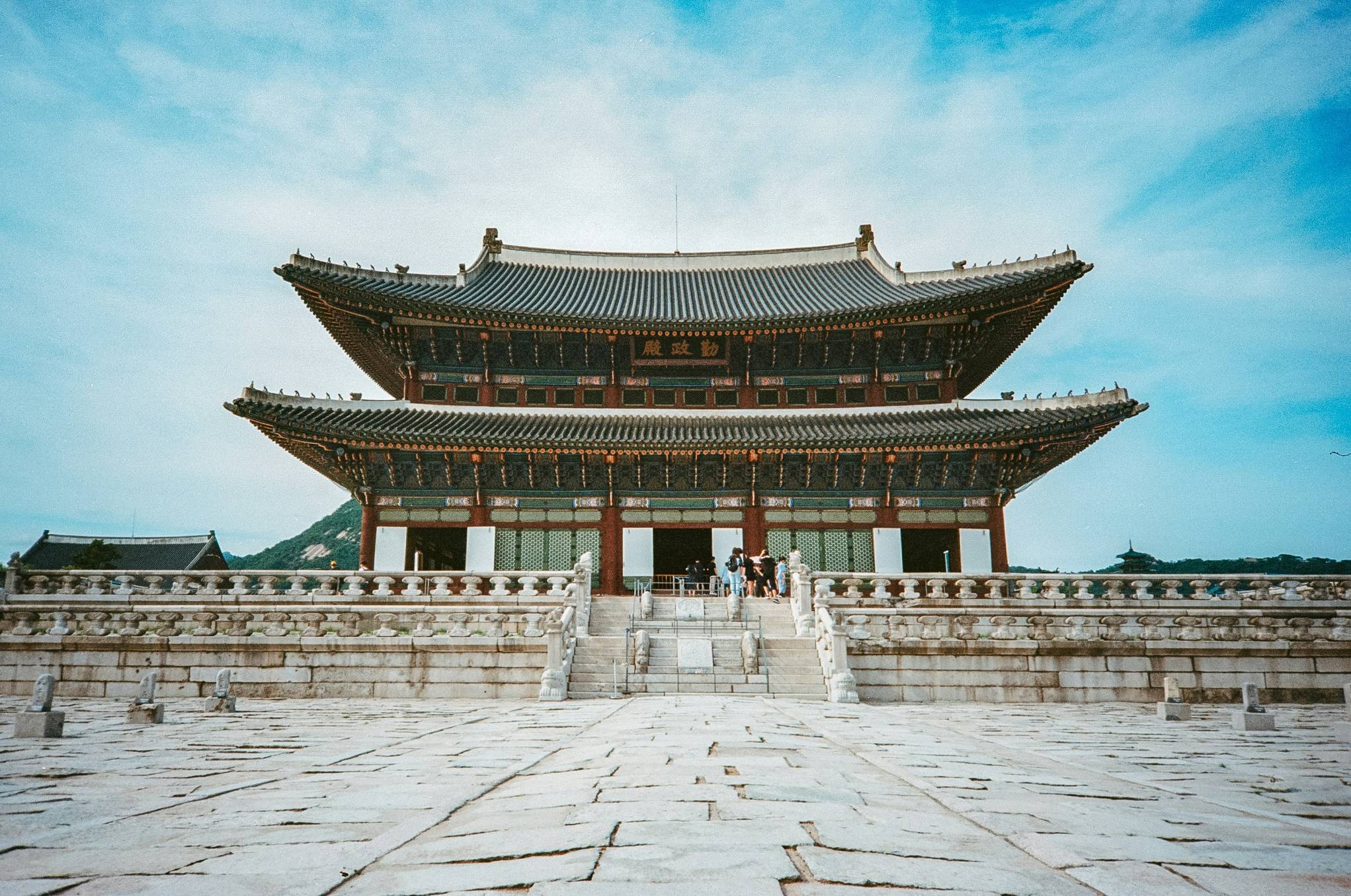
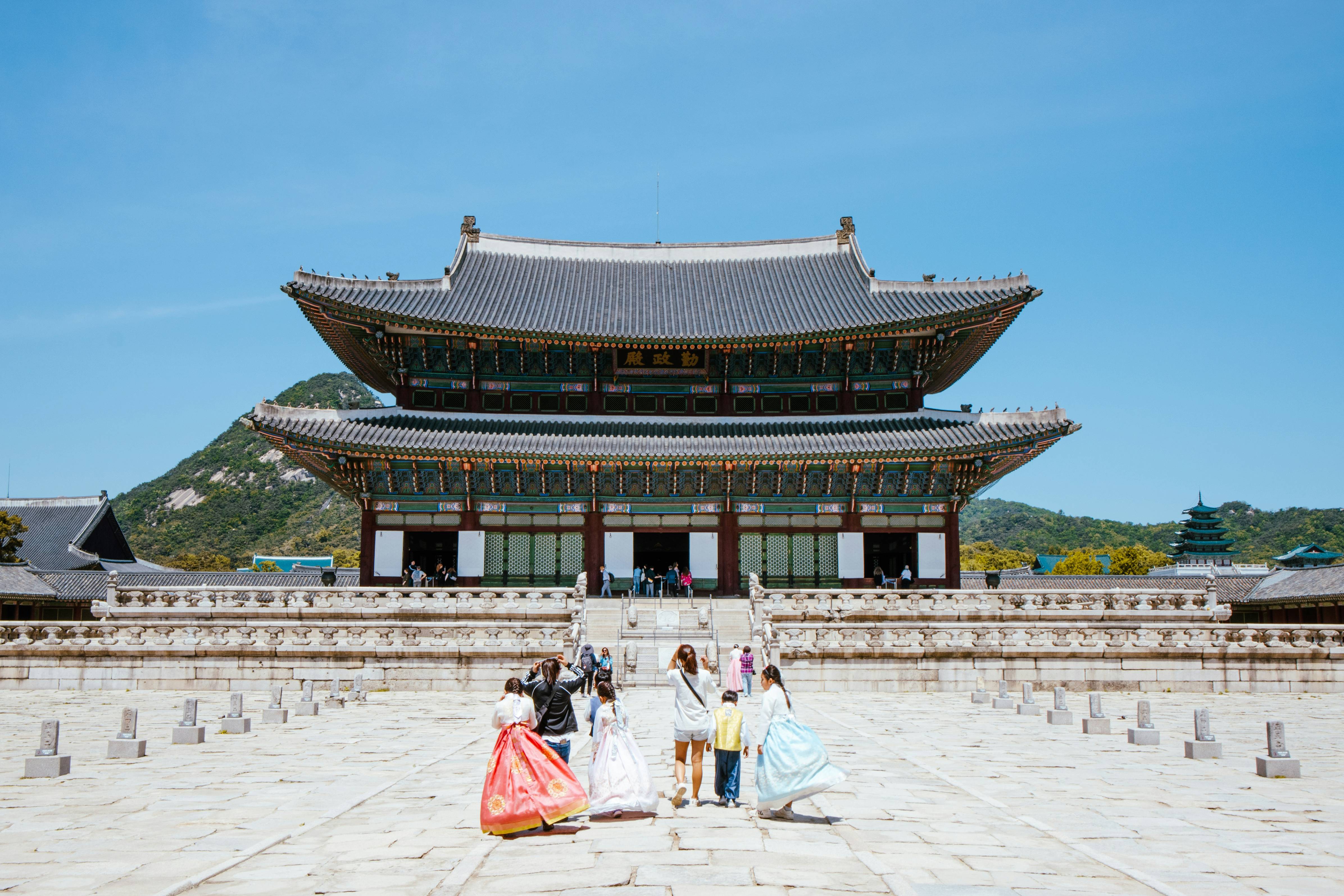
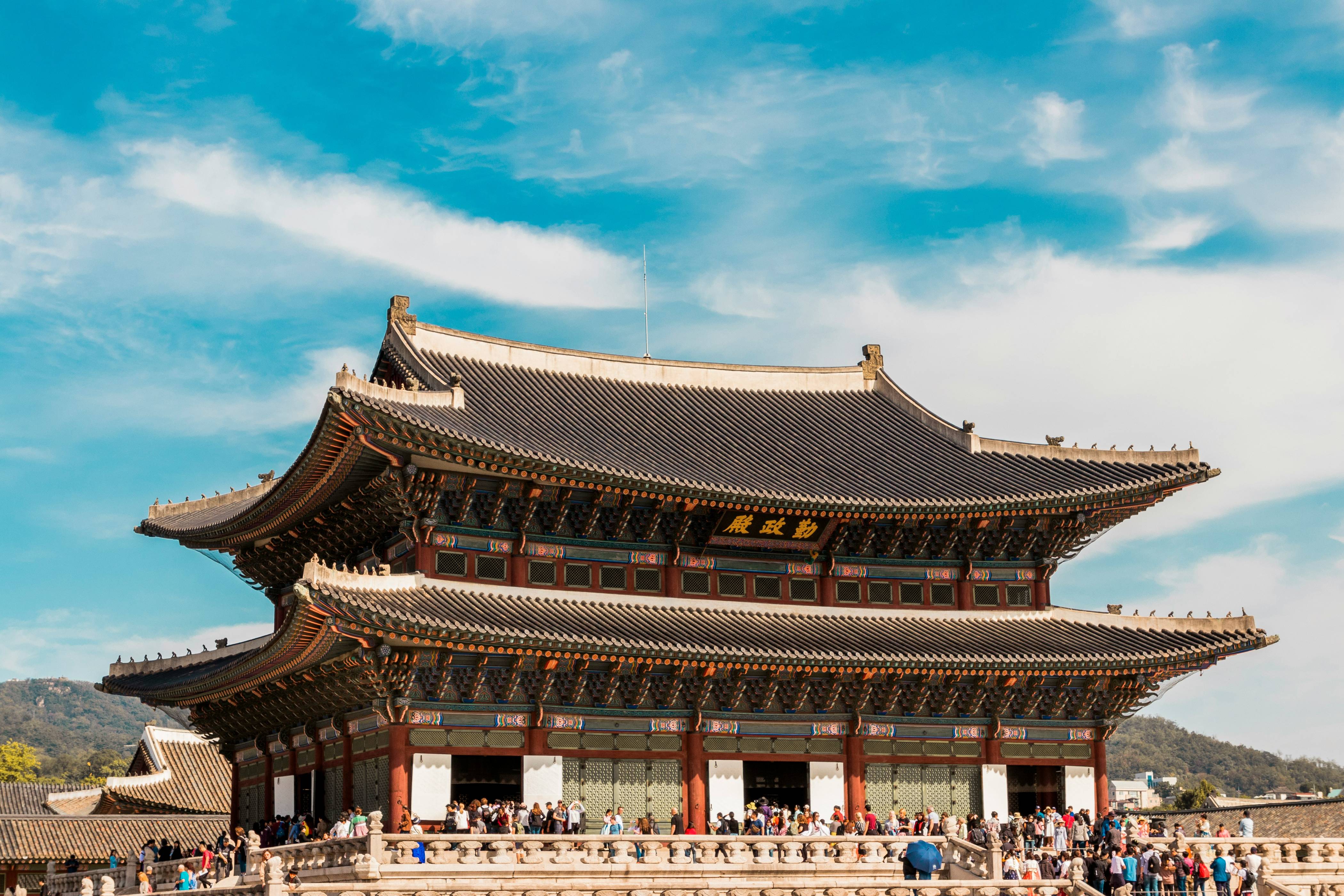
Geunjeongjeon Hall serves as the palace’s grand throne hall, where Joseon kings handled state affairs, hosted grand banquets, and received foreign diplomats. Its towering structure, delicate roof carvings, and layered stone courtyards for officials fully reflect royal dignity and authority. Exquisite mythical creature carvings on surrounding stone facilities also symbolize good fortune and protection.
Perched on a vast rectangular pond, the two-story Gyeonghoeru Pavilion was specially built for large-scale state banquets and royal celebrations. The building’s elegant architectural design is perfectly mirrored on the calm water surface, creating a dreamlike scenic view, especially beautiful during sunset. Surrounded by lush natural scenery, this waterside pavilion is one of the most tranquil and visually stunning spots across the entire palace complex.
Located on a tiny exquisite island in the middle of a lotus pond, Hyangwonjeong Pavilion is widely regarded as the most photogenic corner of Gyeongbokgung Palace. Connected to the shore via a wooden bridge, this quiet pavilion once served as a private leisure retreat for kings and royal family members. Enveloped by misty spring scenery or reflected with fiery autumn foliage, the peaceful environment here is ideal for taking artistic photos and enjoying quiet relaxation away from the city bustle.
Customized Tour Routes for Different Needs
The 2.5–3 hour historical exploration route suits culture lovers. Start at Gwanghwamun Gate to watch the royal guard ceremony, then enter the palace via Heungnyemun Gate. Tour the landmark Geunjeongjeon Hall, the ancient royal offices of Sajeongjeon and Cheonchujeon Hall, and the residential quarters of kings, queens and the queen mother. Finish the trip by visiting the adjacent National Folk Museum of Korea, a free venue showcasing traditional Korean folk culture.
The 2–2.5 hour photography route is perfect for casual visitors. Capture the grand scenery and guard ceremony at Gwanghwamun Gate, then photograph the magnificent architecture of Geunjeongjeon Hall. Prioritize shooting the stunning water reflections at Gyeonghoeru Pavilion during golden hour, and the serene, highly photogenic Hyangwonjeong Pavilion. You can also explore the quiet courtyards of Donggung Palace and unique stone carvings near Jagyeongjeon Hall to enrich your photo collection.
Local Food and Dining Guide
There are no catering facilities inside Gyeongbokgung Palace, but its prime central location in Seoul offers diverse dining choices nearby. The surrounding neighborhoods including Insadong and Seochon Village are famous for gathering authentic Korean restaurants and trendy boutique cafes, perfectly combining traditional flavors and modern gourmet styles.
After finishing your palace tour, you can walk to nearby blocks to taste classic Korean delicacies. Don’t miss bibimbap, a colorful and flavorful mixed rice dish, savory Korean pancake jeon, and nourishing ginseng chicken soup samgyetang, a popular summer staple. You can also try various local street foods in nearby traditional markets or relax in stylish cafes for a break. These historic neighborhoods allow travelers to experience classic Korean customs while enjoying delicious food.
Accommodation Recommendations Nearby
Choosing suitable accommodation close to Gyeongbokgung Palace can greatly upgrade your Seoul travel experience, keeping you within easy reach of the city’s core historical and cultural attractions. Different surrounding neighborhoods cater to diverse travel styles and budget demands.
The Jongno-gu and Insadong districts adjacent to the palace are the best choices for travelers who love traditional Korean culture. Here you can find exquisite boutique hotels, cost-effective guesthouses, and authentic hanok-style homestays. Staying in this area allows walking access to Gyeongbokgung Palace, Changdeokgung Palace, Bukchon Hanok Village, as well as numerous art galleries and traditional teahouses, ideal for in-depth cultural exploration.
For travelers who pursue bustling city vibes, shopping fun and rich nightlife, Myeongdong and Hongdae are excellent alternatives. Though a short subway ride away from the palace, these areas boast complete accommodation options ranging from luxury five-star hotels to affordable budget hotels. The well-developed subway system enables convenient round trips to the palace and other major scenic spots in Seoul.
Seoul provides plenty of economical lodging options, mainly concentrated in Insadong, Hongdae and surrounding areas of Seoul Station. These hostels and guesthouses offer both dormitory beds and private rooms, featuring affordable prices and a social atmosphere. They are perfect for solo travelers and visitors with a limited travel budget.
Final Summary
A tour of Gyeongbokgung Palace is far more than a simple sightseeing trip; it is a wonderful journey to trace the origins of Korean royal civilization. This comprehensive travel guide covers all practical visiting information, from watching the iconic royal guard changing ceremony at Gwanghwamun Gate to appreciating the peaceful scenery of Hyangwonjeong Pavilion. It is highly recommended to rent a traditional hanok costume for free palace admission and stunning travel photos, and reserve at least two to three hours to fully immerse yourself in the profound history and architectural grandeur. With its exquisite ancient architecture, profound cultural heritage and vivid traditional performances, Gyeongbokgung Palace is an indispensable must-visit attraction for every Seoul traveler, bringing precious and fulfilling travel memories.