Kitchen note
How to Choose a Backpack
If you’re thinking about purchasing a new backpack for an overnight adventure or a longer backpacking trip, there are three major factors to consider before making your choice. Backpacking packs are built to carry substantial loads and include practical features that help organize food, clothing, tents, sleeping bags, and other essential equipment.
Aurelio Hart
Cook
Bench note
The full story and useful tips are below.
Shelf
Plant kitchen
If you’re thinking about purchasing a new backpack for an overnight adventure or a longer backpacking trip, there are three major factors to consider before making your choice. Backpacking packs are built to carry substantial loads and include practical features that help organize food, clothing, tents, sleeping bags, and other essential equipment.
Backpack capacity: The amount of storage you need depends largely on how long you’ll be traveling and how much gear you plan to bring. Most backpacking packs begin at around 45 liters, with larger models reaching approximately 80 liters or more.
Backpack features: Different design elements can make a significant difference in how convenient a pack is to use. Depending on the model, you may find multiple pockets, dedicated sleeping bag storage, rain covers, removable daypacks, and other organizational features.
Backpack fit: When choosing the right size, your torso length is much more important than your overall height. A properly fitted pack will distribute weight more effectively and feel considerably more comfortable on the trail.
Types of Backpacks
Weekend Packs (1–3 Nights; 30–50 Liters)
For trips lasting one to three nights, experienced packers who use modern, lightweight equipment can often manage with a pack between 30 and 50 liters. Keeping your load within this size range requires thoughtful planning and a willingness to pack only what you genuinely need.
The benefit is a lighter load that makes hiking easier and more enjoyable. If you’re comfortable being selective with your equipment and can keep your packing efficient, a smaller weekend pack can be an excellent choice.
Multiday Packs (3–5 Nights; 50–80 Liters)
Packs in the 50- to 80-liter range are among the most common choices for backpacking. They provide plenty of room for trips lasting three days or longer, particularly when traveling during warmer weather.
This capacity range is also useful for shorter adventures when you prefer to bring additional comforts or extra equipment. They can work particularly well for activities that combine backpacking with other sports, such as backcountry skiing.
Extended-Trip Packs (5+ Nights; 70 Liters or More)
When a backpacking trip lasts five nights or longer, a pack with at least 70 liters of capacity is generally more appropriate. Larger packs are also especially useful for winter excursions lasting more than a single night.
Cold-weather trips often require bulkier equipment, including additional layers, a warmer sleeping bag, and a four-season tent, which may require extra poles and other components. A larger pack provides the space needed to accommodate this equipment more comfortably.
These packs can also be helpful when adults are backpacking with young children. Parents often end up carrying a considerable amount of their children’s clothing, food, and equipment, making the additional capacity valuable.
If keeping your load as light as possible is your priority, an ultralight backpacking approach is another option worth exploring.
Backpack Features
Frame Type
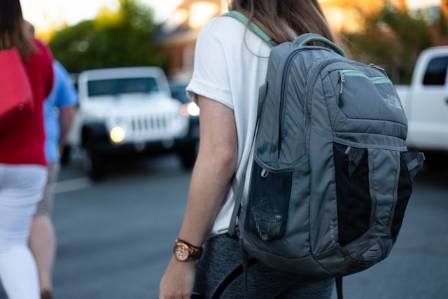
Internal frame backpacks: Most backpacking packs available today use an internal frame system, with the structural components hidden within the back panel. These packs sit relatively close to the body and are designed to help hikers maintain stability when moving across uneven or challenging terrain. Their suspension systems are also designed to transfer much of the pack’s weight toward the hips, reducing the amount of strain placed on the shoulders.
External frame backpacks: External-frame designs have a visible support structure, typically made from aluminum, positioned outside the main pack compartment. Because the frame extends beyond the pack itself, this style can be particularly useful when carrying large or awkwardly shaped loads, such as an oversized tent or an inflatable kayak. External frames also tend to provide good airflow against the back and offer numerous possibilities for organizing and attaching gear.
Frameless backpacks: Hikers who prioritize speed and minimal weight may prefer a frameless backpack. Some climbing packs also allow the frame to be removed as a way to reduce overall weight. The trade-off is comfort: without a supporting frame, these packs become significantly less comfortable when loaded with heavier equipment.
Ventilation
Some backpacks use a suspended mesh back panel to reduce the amount of heat and moisture that builds up between your back and the pack. This system, sometimes referred to as tension-mesh suspension, creates a trampoline-like structure in which the main pack body is held slightly away from your back by the frame.
Instead of your back resting directly against the pack fabric, it contacts a breathable mesh surface, allowing more air to circulate. Other designs address the same problem by incorporating ventilation channels, sometimes called chimneys, directly into the back panel.
Pack Access
Top-loading packs remain one of the most common designs. Because equipment placed at the bottom or along the sides can be difficult to reach, experienced packers generally place items they won’t need until camp near those areas and keep frequently used equipment closer to the top.
Some backpacks offer panel-style access as well. This allows you to unzip a large portion of the main compartment and reach equipment without having to remove everything from above.
Keep in mind that additional access points and convenience features can increase both the weight and the price of a backpack.
Pockets
The ideal number of pockets depends entirely on personal preference. Some hikers appreciate having numerous storage areas for quick organization, while others prefer a cleaner, simpler pack design.
When comparing pocket layouts, pay attention not only to how many pockets there are but also to their size and location. Elasticized side pockets: These pockets sit relatively flat when empty but expand when you place items inside them. They can hold water bottles, tent poles, or other loose equipment and are often positioned so that you can reach them without taking off your backpack.
Hipbelt pockets: These small compartments are convenient for items you may want to access while hiking, such as your phone, snacks, lip balm, or sunscreen.
Shovel pockets: These are typically fabric panels attached to the front of the main pack and secured with a buckle at the top. Originally intended for carrying a snow shovel, they are now common on many three-season packs and provide a convenient place for storing a map, jacket, or other lightweight items.
Top lid pocket: Often nicknamed the pack’s “brain,” the top lid is another feature that comes down to individual preference. Some hikers like a simple compartment for essentials such as sunglasses and a headlamp, while others prefer multiple sections for more detailed organization.
Removable Daypack
Certain backpacking packs include a detachable daypack that can be extremely useful for shorter excursions away from camp. It can be convenient for activities such as climbing a nearby summit or making a supply trip during a long-distance hike.
The detachable portion is often incorporated into the top lid or hydration-reservoir section of the main backpack. Once removed, it can function as a small backpack or sometimes be converted into a hipbelt pack.
Sleeping Bag Compartment
A sleeping bag compartment is a zippered storage area positioned near the bottom of the backpack. It provides convenient access to your sleeping bag without requiring you to empty the rest of your pack.
This feature can also eliminate the need to place your sleeping bag in a separate stuff sack, depending on your packing preferences. Although it is primarily intended for sleeping bags, the compartment can also be used for other items that you want to keep easily accessible.
Padding
A lightweight backpack with a minimal hipbelt and lumbar area may eventually cause discomfort around your hips, lower back, or shoulders, particularly when carrying a substantial load.
If you experience pressure points or soreness, a backpack with more substantial cushioning may provide a more comfortable fit. Before choosing additional padding, however, make sure the pack itself is the correct size and has been properly adjusted to your body.
Attachment Points
If your adventures regularly involve equipment such as ice axes or trekking poles, exterior attachment points can be extremely useful. Look for tool loops that allow you to secure these items outside the main pack. Most backpacking packs provide at least a basic pair of tool loops.
There are several other attachment features worth considering.
Daisy chain: A daisy chain is a strip of webbing sewn onto the outside of the backpack. It creates several attachment points where you can secure items such as helmets, tools, wet clothing, or other gear that cannot fit inside the main compartment.
Reinforced crampon patch: This is a stronger section of material designed to protect the pack from damage caused by the sharp points of crampons.
Extra gear loops: Additional loops positioned on the hipbelt or lower portion of the pack can provide convenient places to attach equipment. They are especially useful when carrying large items, including skis or other oversized gear.
Raincover
If wet weather is possible during your trip, carrying a rain cover is a smart precaution. Although backpack interiors are commonly treated with water-resistant or waterproof coatings, moisture can still enter through seams and zippers. During heavy rain, the exterior fabric can also absorb water, adding unnecessary weight.
Another approach is to organize your belongings inside waterproof stuff sacks. Lightweight dry bags or stuff sacks may actually be preferable in strong winds because powerful gusts can sometimes lift a rain cover away from the backpack.
For a simple homemade solution, you can also line the inside of the pack with a sturdy plastic garbage bag to provide an additional layer of protection from moisture.
Hydration Reservoir
Almost all modern backpacking packs include an internal sleeve designed to hold a hydration reservoir. The reservoir itself is generally purchased separately.
Most packs also include one or two openings through which the drinking tube can be routed, allowing you to drink water while hiking without having to stop and remove your backpack.
More from the kitchen
· en
Alpine Skiing for Beginners
Kieran Blake
· en
The best private island resorts in the world
Elias Vaughn

· en
Afternoon Tea Recipes and Ideas
Rowan Jay

· en
14 Incredibly Stunning East Coast Beach Towns for Your Next Ultimate Seaside Getaway
Amelia Dawson

· en
Uncovering the Hidden Tales of Hyangwonjeong Pavilion
Chloe Anderson

· en
Novel Ways With Bedroom Books
Colin Bennett