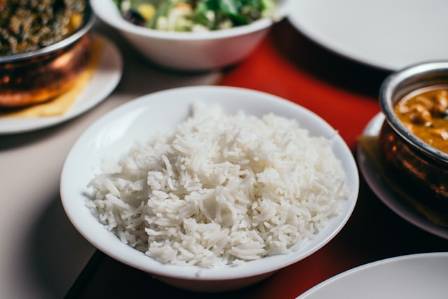
Rice is more than just a staple food—it’s a cultural cornerstone, a symbol of prosperity, and a canvas for culinary creativity that unites cuisines across the globe. As one of the most consumed grains worldwide, it has shaped civilizations for millennia: in feudal Japan, rice (measured in “koku,” the amount needed to feed one person for a year) served as currency; in Chinese weddings, throwing rice symbolizes abundance and fertility; and in countless cultures, it’s the centerpiece of celebrations, daily meals, and comfort food. With over 40,000 varieties—from long-grain basmati to sticky short-grain, and glutinous to aromatic jasmine—rice adapts to every cooking style, whether boiled, fried, steamed, or simmered in broths. It shines as a side dish, takes center stage as a main course, and even delights as a dessert. Below, we embark on a global tour of 15 iconic rice dishes, each telling a story of tradition, innovation, and the unique flavors of its origin.
Galinhada: Brazil’s Hearty Comfort Food
Hailing from Brazil, Galinhada is the ultimate comfort food, a beloved Sunday lunch staple that brings families together with its warm, aromatic blend of rice and chicken. More than just a simple one-pot meal, it’s a celebration of Brazilian home cooking, with regional variations that reflect the country’s diverse culinary heritage—some regions add diced bell peppers, peas, or even coconut milk for a tropical twist. The key to its success lies in cooking rice and chicken together, allowing the grains to absorb the rich flavors of spices like turmeric (which gives it a golden hue), cumin, parsley, and green onions. This method not only simplifies preparation (just one pan to wash!) but also ensures every grain is infused with savory, herby goodness. Tender chicken, fluffy rice, and a medley of spices make Galinhada a satisfying, nourishing dish that embodies the warmth and generosity of Brazilian cuisine.
Biryani: India’s Regal Spice Symphony
Biryani is India’s most iconic rice dish, a regal creation whose origin is steeped in legend and debate—some trace it to Persian nobility, while others credit Mughal emperors for popularizing it in the Indian subcontinent. Regardless of its roots, Biryani is a masterpiece of layered cooking, combining long-grain basmati rice (known for its fragrance and fluffy texture) with tender meats (chicken, lamb, or goat), potatoes, nuts, dried fruits, and a complex blend of spices: saffron, cardamom, cinnamon, cloves, mint, ginger, and nutmeg. Two traditional preparation methods define Biryani: “Kacchi” (raw marinated meat layered with uncooked rice and spices, then slow-cooked) and “Pakki” (pre-cooked meat mixed with cooked rice and spices). Often served at weddings, Eid, and other celebrations, it’s paired with cooling raita (yogurt with cucumber and mint) to balance its bold, spicy flavors. Biryani is more than a dish—it’s an experience, a testament to India’s love for intricate spice blends and communal feasting.
Pilaf: The Middle East’s Aromatic Rice Foundation
Originating in the Middle East and beloved across Central Asia, the Caucasus, and beyond, Pilaf (or Pilau) is defined by its cooking technique: rice is first sautéed in oil or ghee with onions and spices until translucent, then simmered in broth until fluffy and aromatic. This method ensures each grain remains separate yet infused with depth—no mushy rice here. The spice blend varies by region: in Iran, it might include saffron and dried barberries; in Afghanistan, cardamom and raisins; in Turkey, cinnamon and star anise. While rice is the star, Pilaf often incorporates quinoa, amaranth, or bulgur, and can be enhanced with nuts, dried fruits, or vegetables. It’s a versatile side dish that complements grilled meats, stews, and curries, but can also stand alone as a light main course. Pilaf’s simplicity and adaptability have made it a cornerstone of Middle Eastern cuisine, cherished for its fragrant aroma and satisfying texture.
Paella: Spain’s Iconic Pan-Cooked Feast
Paella is Spain’s most famous export, a vibrant, one-pan dish that originated in the Valencian region. Contrary to popular belief, traditional Paella Valenciana (the original version) contains no seafood—instead, it features short-grain “bomba” rice (which absorbs broth without breaking), chicken, rabbit, snails, tomatoes, saffron, rosemary, garrofón (large white beans), and ferradura (green bean-like vegetables). Seafood Paella (Paella Marinera) is a later variation, beloved for its mix of shrimp, clams, mussels, and squid. The name “paella” refers not to the dish itself, but to the wide, flat pan used to cook it—its design ensures even heat distribution, allowing the rice to develop a crispy, golden crust (“socarrat”) at the bottom, a prized element of the dish. Paella is more than food; it’s a social event, typically cooked outdoors and shared among family and friends, embodying the Spanish love for convivial, flavorful meals.
Arroz Al Horno: Valencia’s Oven-Baked Delight
Valencia, Spain, is famous for Paella, but it also boasts another iconic rice dish: Arroz Al Horno (“oven-baked rice”). This hearty, comforting meal is a celebration of Mediterranean flavors, starting with short-grain bomba rice sautéed with pork ribs, bacon, Spanish blood sausage, potatoes, tomatoes, garlic, and chickpeas. Saffron and paprika add warmth and color, while chicken broth infuses the dish with depth. The mixture is then transferred to a round clay pot (or ceramic dish) and baked in the oven, allowing the rice to absorb the broth slowly and develop a rich, complex flavor. Unlike Paella, Arroz Al Horno is cooked covered, resulting in a moist, tender texture with a subtle smokiness from the oven. It’s a beloved home-style dish, perfect for cool evenings, and a testament to Valencia’s mastery of rice cooking.
Arroz de Polvo: Portugal’s Savory Octopus Rice
Arroz de Polvo (octopus rice) is a cherished staple of Portuguese cuisine, a brothy, flavorful dish that highlights the country’s coastal bounty. Made with long-grain Carolino rice (ideal for soups and stews), it’s cooked in the same aromatic broth used to poach tender octopus, ensuring every grain absorbs the seafood’s briny sweetness. The broth is enriched with olive oil, tomatoes, white wine, onions, garlic, bay leaves, black pepper, and coriander, creating a savory base that complements the octopus perfectly. Arroz de Polvo is typically served in shallow bowls, with the octopus pieces nestled among the rice, and often garnished with fresh parsley. It’s a comforting, hearty dish that reflects Portugal’s love for seafood and simple, honest flavors—perfect for enjoying by the coast or on a chilly day.
Nasi Lemak: Malaysia’s National Pride
Nasi Lemak, Malaysia’s national dish, translates to “rich rice,” and it lives up to its name with its creamy, aromatic texture and bold flavors. Jasmine rice (or long-grain rice) is simmered in coconut milk, pandan leaves (which impart a vanilla-like fragrance), and a pinch of salt, resulting in rice that’s tender, fragrant, and slightly sweet. Traditionally served on a banana leaf, it’s accompanied by a array of sides: Sambal (a spicy shrimp paste sauce), fried anchovies, sliced cucumber, toasted peanuts, and a hard-boiled egg. For extra protein, it may include fried chicken, tofu, or grilled fish. Nasi Lemak is more than a meal—it’s a cultural symbol, enjoyed for breakfast, lunch, or dinner, and beloved for its balance of spicy, salty, sweet, and creamy flavors. It’s the perfect introduction to Malaysian cuisine, showcasing the country’s love for bold, harmonious taste combinations.
Nasi Goreng: Indonesia’s Beloved Fried Rice
Nasi Goreng (“fried rice” in Indonesian) is the country’s most popular dish, a versatile, flavorful meal that’s enjoyed from street stalls to fine dining restaurants. Made with day-old cooked rice (which ensures fluffy, non-sticky grains), it’s stir-fried with Kecap Manis (a sweet soy sauce), garlic, ginger, kaffir lime leaves, tamarind juice, and a variety of add-ins: diced chicken, shrimp, vegetables, or tofu. It’s typically served with a fried egg (sunny-side up), krupuk (starchy chips), and a side of pickles or fresh vegetables to cut through the richness. Nasi Goreng is more than just a quick meal—it’s a reflection of Indonesia’s culinary diversity, with regional variations that incorporate local ingredients and spices. Its bold, savory-sweet flavor and satisfying texture have made it a favorite worldwide, a true icon of Indonesian street food.
Sushi: Japan’s Elegant Rice Art
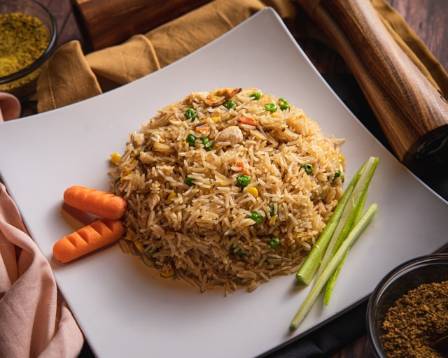
Sushi is Japan’s most famous culinary export, an elegant dish that elevates rice to an art form. At its core is short-grain glutinous rice, cooked with vinegar, sugar, and salt to create a sticky, flavorful base that binds the ingredients together. Unlike other rice dishes, sushi’s magic lies in balance—between the rice’s subtle tang, the freshness of raw fish (or other fillings), and the simplicity of accompaniments like wasabi, soy sauce, and pickled ginger. There are countless types of sushi: Makizushi (rolls wrapped in nori, with fillings like salmon, tuna, or vegetables), Nigiri (small rice balls topped with raw fish, shrimp, or egg), and Sashimi (thinly sliced raw fish served with rice on the side). Sushi is not just food; it’s a craft, requiring years of training to master the perfect rice texture, slicing technique, and presentation. It embodies Japan’s “washoku” philosophy—harmony, seasonality, and respect for ingredients.
Bibimbap: Korea’s Vibrant Mixed Rice Bowl
Bibimbap, Korea’s national dish, translates to “mixed rice,” and it’s a vibrant, nutritious bowl that celebrates balance and seasonality. At its base is fluffy glutinous rice, topped with an array of colorful ingredients: sautéed vegetables (spinach, bean sprouts, carrots, zucchini), shiitake mushrooms, marinated beef (bulgogi), a fried egg, and a dollop of gochujang (spicy red pepper paste). When served in a hot stone pot (“Dolsot Bibimbap”), the rice crisps at the bottom, adding a delightful texture contrast. The magic happens when you mix everything together, combining the spicy, savory, and slightly sweet flavors into a harmonious whole. Bibimbap is more than a meal—it’s a celebration of Korean cuisine’s emphasis on freshness, variety, and balance. It’s customizable, healthy, and satisfying, perfect for any occasion.
Pad Kra Pao: Thailand’s Spicy Basil Rice
Pad Kra Pao is Thailand’s go-to comfort food, a fiery, aromatic dish that’s beloved for its bold flavors and quick preparation. The name translates to “fried basil,” and that herb is the star: Thai basil (Kra Pao) adds a peppery, anise-like flavor that defines the dish. Long-grain jasmine rice is stir-fried with garlic, bird’s eye chili (for heat), minced meat (chicken, pork, beef, or seafood), or tofu, and seasoned with soy sauce, fish sauce, and a touch of sugar. It’s typically served with a fried egg on top and a side of fresh lettuce or cabbage to wrap the rice in, cooling down the spice. Pad Kra Pao is a staple of Thai street food, known for its intense, savory-spicy flavor and satisfying texture. It’s quick, easy, and packed with flavor—perfect for a busy weeknight or a craving for authentic Thai cuisine.
Risotto: Italy’s Creamy Rice Masterpiece
Risotto, originating in Italy’s Lombardy region, is a creamy, luxurious rice dish that showcases the art of slow cooking. Unlike other rice dishes, risotto relies on short-grain rice varieties (like Arborio, Carnaroli, or Vialone Nano) that release starch as they cook, creating a rich, velvety texture. The rice is first sautéed in butter or olive oil with onions, then slowly simmered in warm broth (vegetable, chicken, or seafood), with the broth added gradually and stirred constantly to encourage starch release. Risotto is infinitely customizable: classic versions include Risotto alla Milanese (with saffron, giving it a golden color and aromatic flavor) and Risotto ai Funghi (with mushrooms), while modern variations incorporate ingredients like truffles, seafood, or peas. It’s often paired with wine, as the acidity complements its creaminess. Risotto is a labor of love, requiring patience and attention, but the result is a decadent, comforting dish that’s a cornerstone of Italian cuisine.
Jambalaya: New Orleans’ Spicy Rice Celebration
Jambalaya is a iconic dish of New Orleans, a spicy, hearty blend of rice, meat, and vegetables that reflects the city’s diverse cultural heritage—Cajun, Creole, African, and Spanish influences all shine through. There are two main styles: Cajun Jambalaya (a one-pot dish with no tomatoes, featuring chicken, pork, smoked sausage, and the “trinity” of Cajun cooking—onions, bell peppers, and celery) and Creole Jambalaya (which includes tomatoes, seafood, and a more complex spice blend). Both versions use long-grain rice, which absorbs the flavorful broth and spices, resulting in a moist, aromatic dish. Jambalaya is a celebration of abundance, often served at Mardi Gras, barbecues, and family gatherings. It’s bold, spicy, and full of personality—just like New Orleans itself.
Jollof Rice: West Africa’s Contested Crowd-Pleaser
Jollof Rice is the crown jewel of West African cuisine, a vibrant, spicy dish that’s beloved in Nigeria, Ghana, Senegal, and beyond—so much so that Nigeria and Ghana famously debate who makes the best version. Despite the rivalry, its origins trace to the Wolof people of Senegal and Gambia. Jollof Rice is made by cooking long-grain rice in a rich, tomato-based broth, infused with onions, peppers, Scotch Bonnet chili (for intense heat), curry powder, bay leaves, and thyme. The broth is blended until smooth, then simmered with rice until tender and flavorful. It’s typically served with grilled chicken, beef, or fish, and a side of fried plantains or coleslaw. Jollof Rice is more than a meal—it’s a symbol of West African culture, served at weddings, festivals, and family gatherings. Its bold, spicy flavor and vibrant red color make it a feast for the senses.
Arroz Chaufa: Peru’s Chifa Fusion Delight
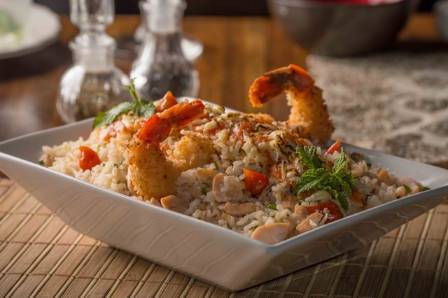
Arroz Chaufa is Peru’s take on Chinese fried rice, a delicious fusion dish born from the creativity of Chinese immigrants who adapted their recipes to use Peruvian ingredients. Part of “Chifa” cuisine (Peru’s unique blend of Chinese and Peruvian flavors), it’s a clever way to use leftover cooked rice, stir-fried in a wok with soy sauce, sesame oil, garlic, onions, eggs, chives, peppers, and diced meat (beef, pork, chicken) or shrimp. Unlike traditional Chinese fried rice, Arroz Chaufa often incorporates Peruvian ingredients like aji amarillo (yellow chili) or huacatay (black mint), adding a unique twist. It’s typically served with a side of fried plantains or a fried egg, and it’s a beloved street food and home-style dish in Peru. Arroz Chaufa is a testament to the power of culinary fusion—two cultures coming together to create something new and delicious.