Kitchen note
The deep sea coral reefs
When people hear the words “coral reefs,” they often imagine colourful underwater landscapes located just beyond the shoreline, where snorkelers and divers explore vibrant marine habitats.
Harrison Bellamy
Cook
Bench note
The full story and useful tips are below.
Shelf
Plant kitchen
When people hear the words “coral reefs,” they often imagine colourful underwater landscapes located just beyond the shoreline, where snorkelers and divers explore vibrant marine habitats.
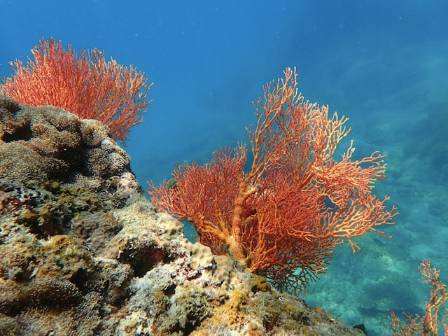
However, far beneath the surface of the open ocean exists another type of coral ecosystem. Hundreds of metres below the waves, deep-sea coral reefs thrive in complete darkness. A recent scientific study has identified 116 deep-sea coral reef areas that researchers believe deserve the same level of protection as the famous coastal reefs visited by millions of people each year.
These hidden reefs are located between approximately 200 and 1,200 metres below the ocean surface, in international waters where no individual country has direct authority.
The Importance of Coral Reefs to Ocean Life
The ecological importance of coral reefs has been recognised for decades. Although coral reefs occupy only a tiny fraction of the ocean floor—around 0.1 percent—they support approximately one-quarter of all marine species.
Scientists have warned that rising ocean temperatures and climate change could threaten the survival of nearly all coral reefs by the end of this century unless stronger conservation measures are introduced.
These ecosystems are essential because they provide shelter, breeding areas, and food sources for countless marine organisms.
Deep-Sea Corals: The Rainforests of the Ocean
Unlike shallow-water coral reefs, deep-sea corals have adapted to survive below the photic zone, the upper layer of the ocean where sunlight can still reach.
Most reef-building coral species live in sunlit waters, with around 845 known species depending on light-filled environments. In contrast, only six known coral species are capable of creating deep-water reef structures.
A recently published scientific survey represents the first major effort to map and document deep-sea coral reef locations. Researchers believe many more reefs remain undiscovered across the world’s oceans.
Daniel Wagner, a co-author of the study published in the journal Science, described these ecosystems as some of the least explored marine environments on Earth.
Calling coral reefs “the rainforests of the seas,” Wagner explained that deep-ocean reefs are among the most poorly studied ecosystems. Because they exist outside national borders and lack legal protection from individual governments, they are considered some of the most vulnerable coral habitats on the planet.
Challenges in Protecting Deep Ocean Reefs
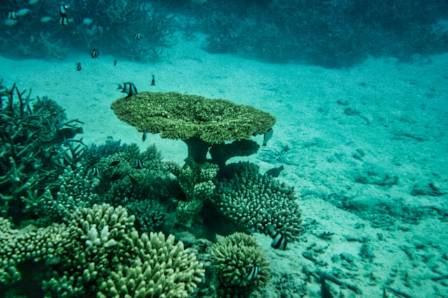
Conserving deep-sea coral reefs is extremely challenging because international waters belong to no single nation. This makes cooperation between countries necessary but difficult to organize.
Although deep-sea reefs are just as valuable for marine biodiversity as coastal coral systems, many remain exposed to human activities. Some reefs exist more than two kilometres below the surface and can only be explored using specialised submersibles.
Currently, only about one-fifth of deep-water coral reefs receive any protection from destructive practices such as bottom trawling. None of these reefs are fully protected from the impacts of global shipping activities.
Where Deep-Sea Coral Reefs Are Found
Scientists have discovered that deep-sea corals often grow on steep underwater mountains known as seamounts. These elevated formations provide suitable surfaces where coral colonies can attach and develop.
The majority of identified deep-sea reefs are located in the Pacific and Atlantic Oceans, with several others found in the Indian Ocean.
Because these habitats are remote and difficult to study, researchers believe many additional deep-sea coral communities are still waiting to be discovered.
A Global Effort to Protect Hidden Reefs
In response to growing concerns about these fragile ecosystems, experts from ocean science, environmental policy, law, and communication established the Coral Reefs on the High Seas coalition.
The organisation aims to improve awareness and encourage international protection measures for deep-sea coral ecosystems.
The coalition believes that protecting high-seas coral reefs could be one of the most effective ways to strengthen ocean health, support biodiversity, and maintain sustainable fisheries for future generations.
The Future of High-Seas Conservation
The coalition is working to influence a United Nations international agreement focused on protecting biodiversity in areas beyond national jurisdiction.
The proposed treaty aims to safeguard the deep ocean from harmful human activities, including destructive practices such as seabed mining.
By increasing scientific understanding and creating stronger international protections, researchers hope these hidden underwater forests can survive and continue supporting marine life for generations to come.
More from the kitchen

· en
Wearing Pink: Guidance and Pairings
Isabella

· en
The Real-Life Inspirations Behind Iconic Cartoon Characters
Grace Miller
· en
Aurora Sky Station
Aria Sullivan
· en
The Arctic Tern: Master of Long-Distance Migration
Henry Dawson
· en
4 Advantages of Traveling by Sea
Nathaniel

· en
Creating Adorable Felt Art: A DIY Guide to Whimsical Softies
Lucas Benjamin Hartley